

News Information
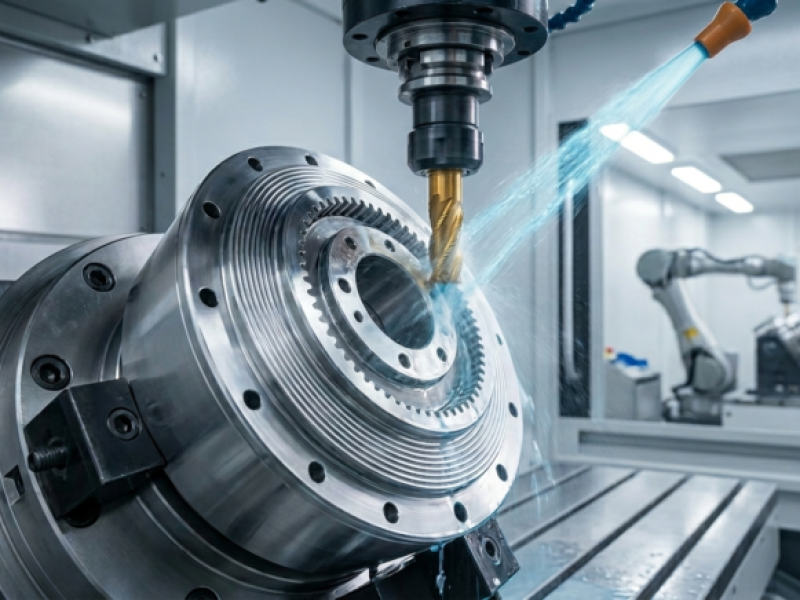
Achieving Sub-Micron Precision: Engineering High-Rigidity Components for Industrial Robotics The Precision Requirement in Modern Robotics In the era of Industry 4.0, the precision of a robotic arm is only as good as the sum of its machined components. Whether it is a high-speed pick-and-place robot or a delicate collaborative robot (cobot), the harmonic drives, gear housings, and joint spindles are the heart of the system. As cycle times decrease and payload requirements increase, the demand for sub-micron geometric tolerances and extreme material rigidity has shifted from “optional” to “critical.”
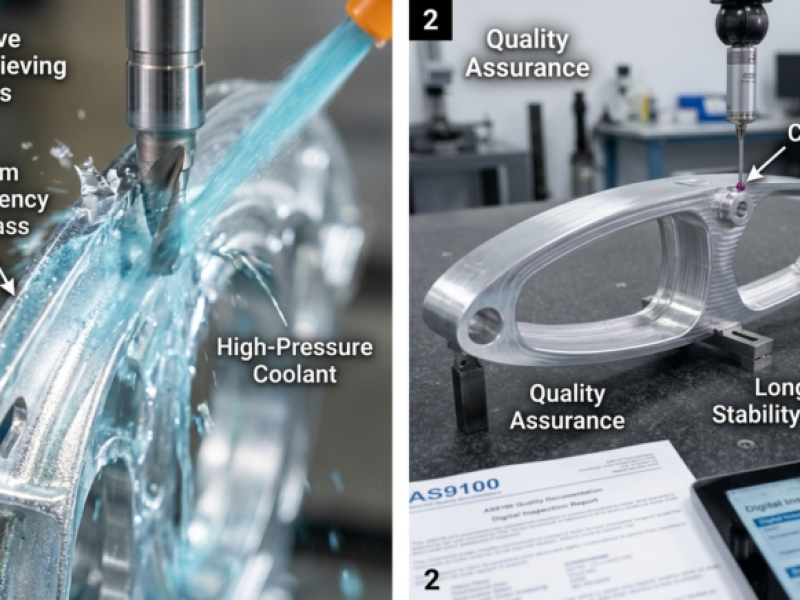
Mastering Residual Stress: Preventing Distortion in Thin-Wall Aluminum Aerospace Components Introduction: The Invisible Enemy of Thin-Wall Precision In the relentless pursuit of aerospace performance, engineers constantly push the limits of material efficiency, demanding complex, lightweight structural components . Thin-wall aluminum parts, such as bulkheads, ribs, and spars, are vital for reducing the overall weight of aircraft structures . However, these very components present one of the most formidable challenges in precision machining: distortion caused by residual stress . For aerospace manufacturers, achieving the required geometric tolerances is not just
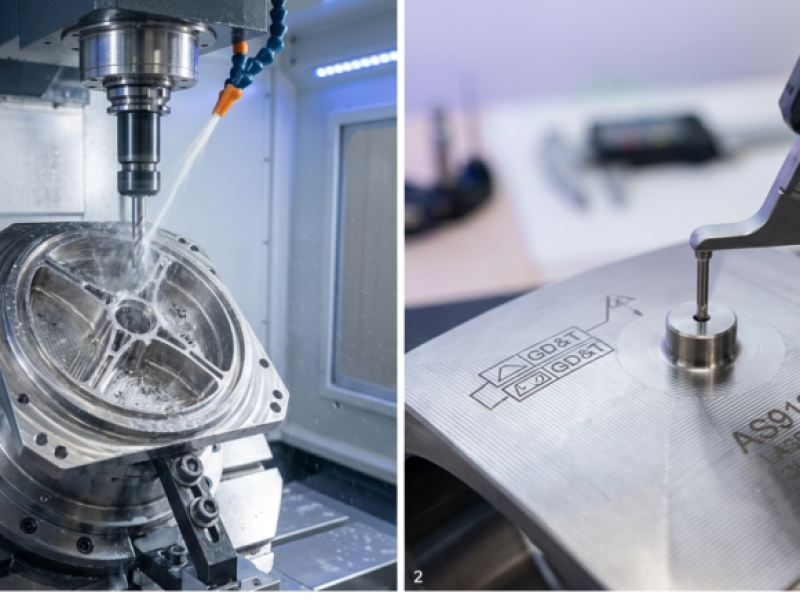
The Evolution of Titanium Machining: Optimizing Cutting Strategies for Aerospace Grade 5 & 23 Introduction: The Titanium Paradox in Aerospace Titanium alloys, particularly Ti-6Al-4V (Grade 5) and Ti-6Al-4V ELI (Grade 23), have become the backbone of modern aerospace structural components. Their unparalleled strength-to-weight ratio and exceptional corrosion resistance make them indispensable for airframes, landing gear, and engine components. However, this same physical robustness presents a “paradox” for precision machinists: the very properties that make titanium ideal for flight make it exceptionally difficult to machine. For precision manufacturers, the challenge